The Fitness Industry is Changing Fast but Most Businesses Are Falling Behind
Digital transformation in fitness is no longer limited to mobile apps and online memberships. It now shapes how businesses attract leads, qualify prospects, book sessions, and retain members. Yet many operators still treat technology as an add on rather than as a core growth system. This is where the market is splitting. On one side are modern fitness and wellness businesses using automation to create fast, connected, and personalized experiences. On the other are traditional businesses still dependent on manual coordination and delayed communication. The result is a visible performance gap in conversions, member satisfaction, and retention.
Lead Generation is Not the Problem but Conversion is Failing
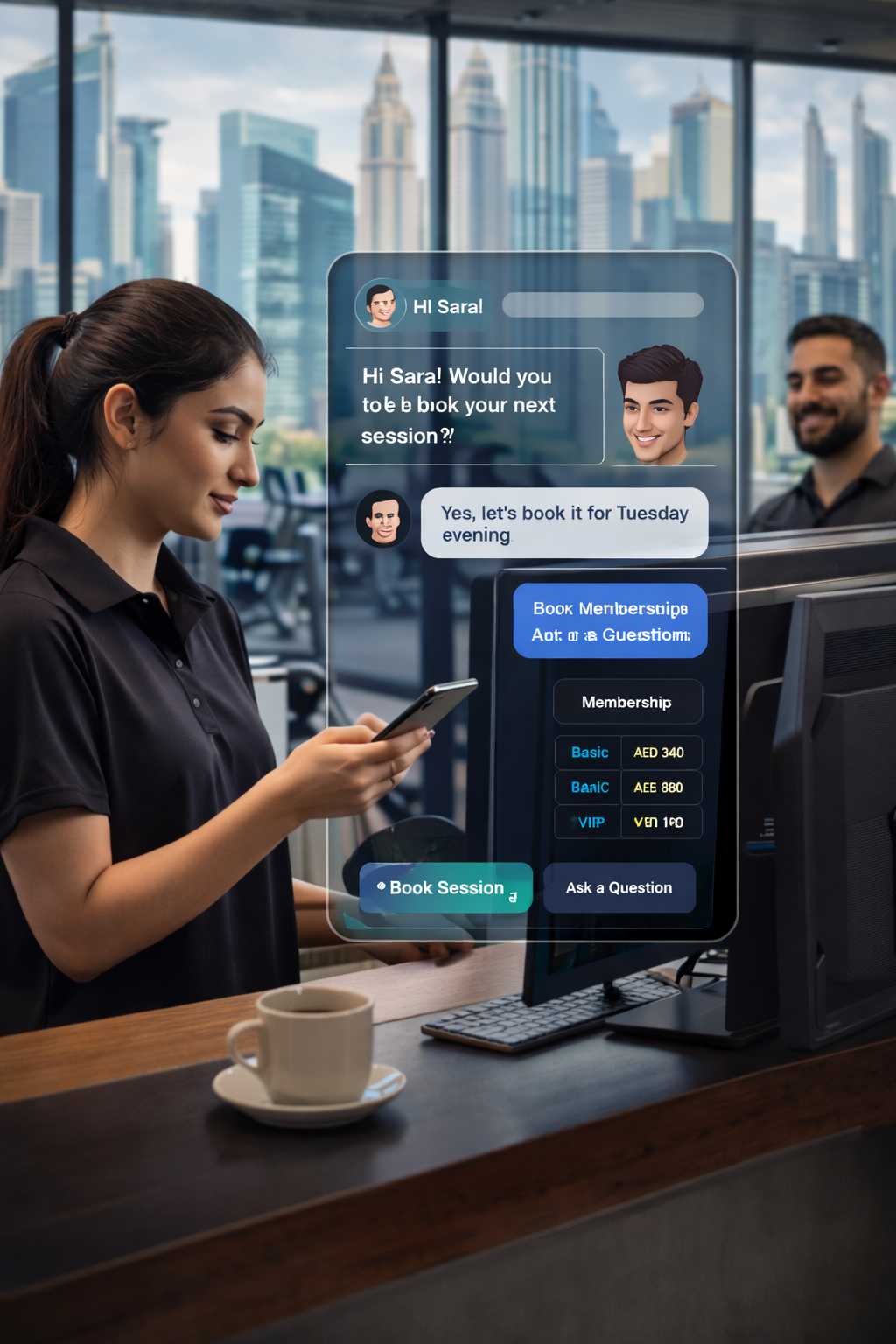
Most fitness businesses do not actually suffer from a lack of interest. They suffer from poor response handling after interest is shown. Prospective members often ask about pricing, class schedules, training plans, or trial sessions, but slow follow up creates drop offs at the exact point where buying intent is strongest. In a market where users expect immediate answers, delayed responses directly reduce conversions. This is why AI chatbots for fitness websites and WhatsApp are becoming commercially important. They help businesses respond instantly, recommend the right membership options, answer service questions, and guide users toward booking without forcing them to wait for staff intervention.
Personalization is Promised Everywhere but Rarely Delivered Effectively
The fitness industry frequently markets personalization as a premium feature, but in many cases it remains shallow and inconsistent. Static plans, generic onboarding flows, and broad recommendations are still common. Real personalization requires systems that respond to user goals, habits, attendance behavior, and engagement patterns over time. AI makes this possible at scale. From membership plan recommendation to diet and program consultation intake, intelligent automation can create journeys that feel tailored rather than standardized. The businesses gaining traction are not simply talking about personalization. They are operationalizing it through data aware systems that support every stage of the member experience.
Operational Inefficiencies Are Quietly Holding Back Growth
Behind the scenes, many fitness and wellness businesses are losing time and revenue through repetitive admin workflows. Personal training session booking, class schedule inquiry handling, slot reservation management, trial registration follow up, and basic support questions often consume more staff time than they should. These routine touchpoints may appear small, but together they create major operational drag. AI assistants reduce this burden by automating member communication and booking flows in a way that is available around the clock. This allows staff to focus on in person experience, coaching quality, and higher value interactions instead of spending most of their time on coordination.
Retention is the Biggest Challenge That Businesses Often Ignore
Many gyms focus heavily on acquiring new members while underestimating the financial damage caused by churn. Retention is not just a customer service issue. It is a strategic growth issue. Members disengage when communication becomes inconsistent, recommendations feel irrelevant, or progress tracking lacks structure. AI changes this by supporting workout logging and tracking, nutrition plan adherence, reminder flows, and personalized re engagement. Instead of reacting after a member becomes inactive, businesses can use intelligent systems to sustain momentum earlier. This creates a more proactive retention model and helps transform the member journey from transactional to continuous.
Hybrid Fitness is No Longer Optional for Modern Consumers
The market has moved beyond the idea that fitness only happens inside a physical gym. Consumers now expect flexibility across in person sessions, digital coaching, app based tracking, and on demand support. This shift is especially important in urban, mobile first markets where convenience directly influences purchase decisions. AI plays a central role in connecting these experiences. A personal AI assistant for member coaching and scheduling can create a seamless journey between website inquiry, WhatsApp follow up, booking confirmation, session reminders, and ongoing engagement. Businesses that fail to support this connected model risk appearing outdated even when their physical service quality is strong.
AI Creates Opportunities but Also Introduces New Risks
The commercial value of automation is clear, but adoption without careful implementation can create new problems. Fitness and wellness businesses deal with sensitive personal and health related information, which means privacy, transparency, and responsible use must remain central. There is also a risk of relying too heavily on automation in environments where motivation, empathy, and trust still matter deeply. AI should improve the member experience, not make it feel impersonal. The strongest operators will be those who combine automation with human support in a balanced way, using technology to remove friction while preserving the relationship driven aspects of fitness and wellness.
The Market Has Already Shifted but Many Businesses Have Not
Consumer expectations have already moved toward faster, smarter, and more personalized digital experiences. Businesses that still depend on slow inquiry handling and disconnected systems are no longer competing only on service quality. They are competing on responsiveness, convenience, and continuity. Fitness automation in the UAE is not a future concept. It is already shaping how modern businesses win and retain attention. As more brands adopt AI fitness chatbot systems, the gap between digitally mature operators and traditional players will continue to widen. Waiting too long to adapt will become increasingly expensive.
The Future Will Reward Execution Not Just Adoption
The next phase of growth in fitness and wellness will not belong to businesses that simply install new tools. It will belong to those that integrate automation in a way that improves conversions, supports personalization, reduces admin load, and strengthens retention. This is where AI shifts from a marketing trend to an operational advantage. For Chat365, the opportunity is clear. Fitness and wellness businesses need intelligent website and WhatsApp automation that feels natural, useful, and conversion focused. The winners in this market will be the ones who execute thoughtfully and turn AI into a real part of the customer experience.